
Backlink Indexing Service for Professional Link Builders
BoostIndex helps professional link builders, SEO agencies and digital marketers submit hundreds or thousands of backlink URLs for faster Google discovery. Upload URLs individually, in bulk, or through our API and manage large backlink indexing campaigns from a single dashboard.
Whether you're indexing guest posts, niche edits, profile links, Web 2.0 pages or other backlink campaigns, BoostIndex provides a reliable link indexing service designed for high-volume workflows.
Start with 25 free URLs and see how BoostIndex fits into your link building workflow.
Real Indexing Statistics
Indexing Results
Indexing Timeline
The statistics below are based on actual URLs processed and monitored by BoostIndex during the last three months and reflect real indexing results observed across our platform. These figures are published for transparency and should not be interpreted as guaranteed outcomes. The final decision to index any page is always made by Google and depends on the quality of the page, the uniqueness and value of its content, and its compliance with Google's indexing and content quality requirements.
Backlink Indexing for Every Link Building Strategy
BoostIndex is designed for professionals who build backlinks at scale. Whether you manage guest posts, niche edits, Web 2.0 properties, profile links, directory submissions, or other large link building campaigns, our backlink indexing service helps you submit important URLs quickly and efficiently. Instead of handling thousands of URLs manually, you can upload them in bulk, automate submissions through our API, and manage your backlink indexing workflow from a single dashboard.
Submit newly published guest posts for faster Google discovery and backlink evaluation.
Help Google discover updated pages containing your newly placed backlinks.
Submit large batches of Web 2.0 pages from a single dashboard or through the API.
Speed up discovery of profile backlinks without submitting URLs one by one.
Upload thousands of directory URLs in bulk and manage large indexing campaigns with ease.
Designed for agencies and professional link builders handling thousands of backlink URLs every day.
Why Backlinks Stay Unindexed
Google discovers new URLs through links, sitemaps and other crawl signals, but newly created backlinks are often found much later than link builders expect. Large backlink campaigns, profile links, Web 2.0 pages, guest posts and directory submissions may remain undiscovered for days or even weeks.
BoostIndex helps you submit important backlink URLs in bulk, making it easier for Googlebot to discover and evaluate them without manually waiting for natural discovery.
Why Link Builders Choose BoostIndex
Bulk Backlink Submission
Upload hundreds or thousands of backlink URLs in a single batch. No manual submission, no daily limits, no unnecessary steps.Built for High-Volume Campaigns
Perfect for guest posts, niche edits, Web 2.0 properties, profile links, directory submissions and other large-scale link building campaigns.API and Automated Workflows
Integrate BoostIndex into your own tools or automate backlink submissions through our API for continuous indexing workflows.How BoostIndex Works
Step 1.
Build Backlinks
Create guest posts, niche edits, profile links, Web 2.0 pages or any other backlinks you want Google to discover.
Step 2.
Submit Your URLs
Upload backlink URLs from a text file, paste them directly, or automate submissions through the BoostIndex API.
Step 3.
Process URLs
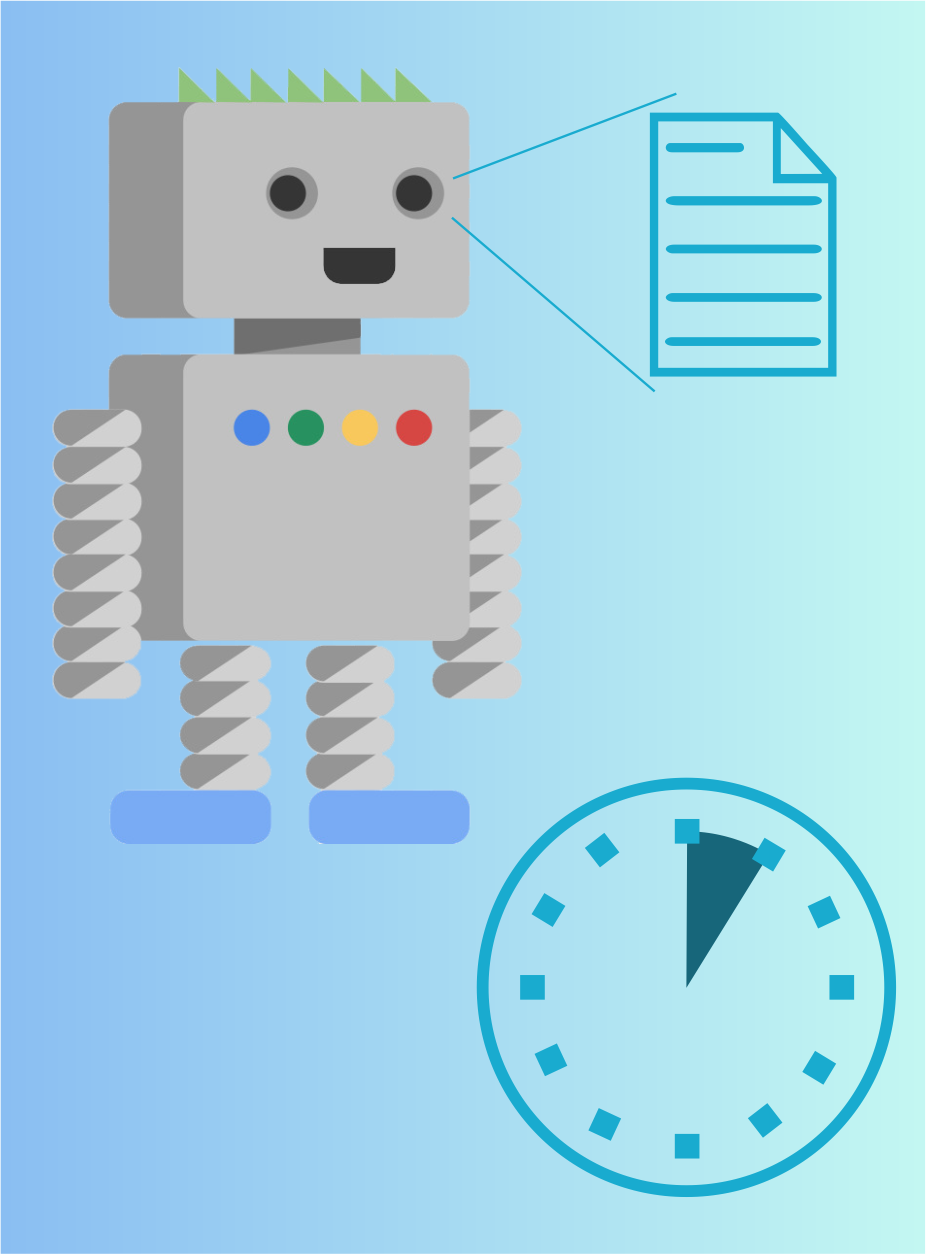
BoostIndex processes your submitted URLs and performs the actions required to help Google discover them sooner.
Step 4.
Monitor the Results
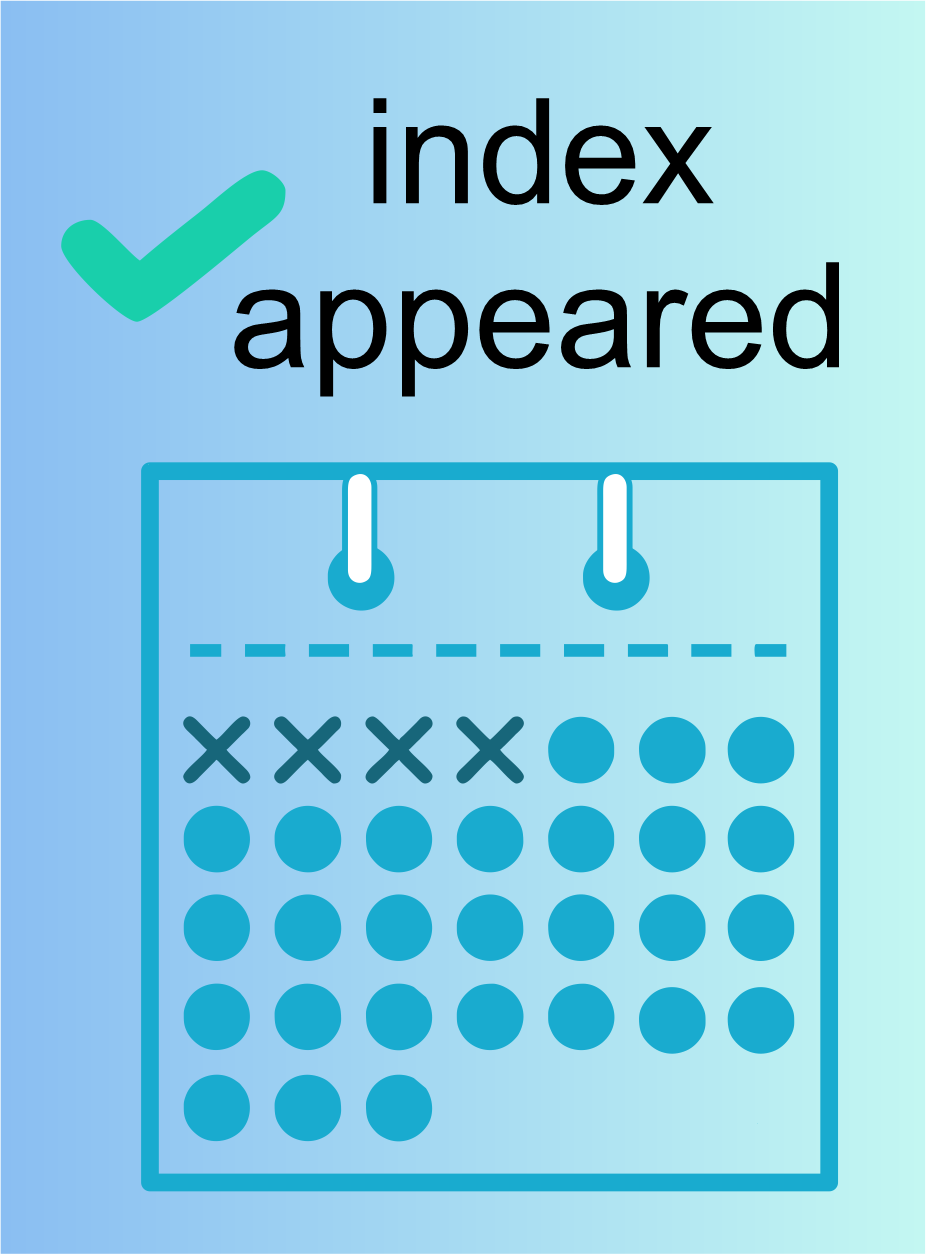
Track submitted URLs in your dashboard and monitor which backlinks have been discovered over time.
Backlink Indexing FAQ
Backlink Indexing FAQA backlink indexing service helps search engines discover URLs containing your backlinks. Faster discovery may increase the likelihood that Google crawls and evaluates those pages sooner.
Yes. BoostIndex is designed for high-volume link building campaigns. Upload backlink URLs in bulk or automate submissions using our API.
No. No indexing service can guarantee that Google will index every submitted URL. Google makes the final indexing decision based on its own quality and crawling algorithms.
You can submit guest posts, niche edits, Web 2.0 pages, profile links, directory listings and other pages containing backlinks that you want Google to discover.
Yes. Every new account receives 25 free URLs, allowing you to test the service before purchasing additional credits.
How Google Discovers Backlinks
Every backlink exists on a web page that first has to be discovered by Google. Until Googlebot visits that page, the backlink cannot be crawled or evaluated. This is why many link builders focus on helping search engines discover backlink URLs sooner, especially when running large-scale campaigns.
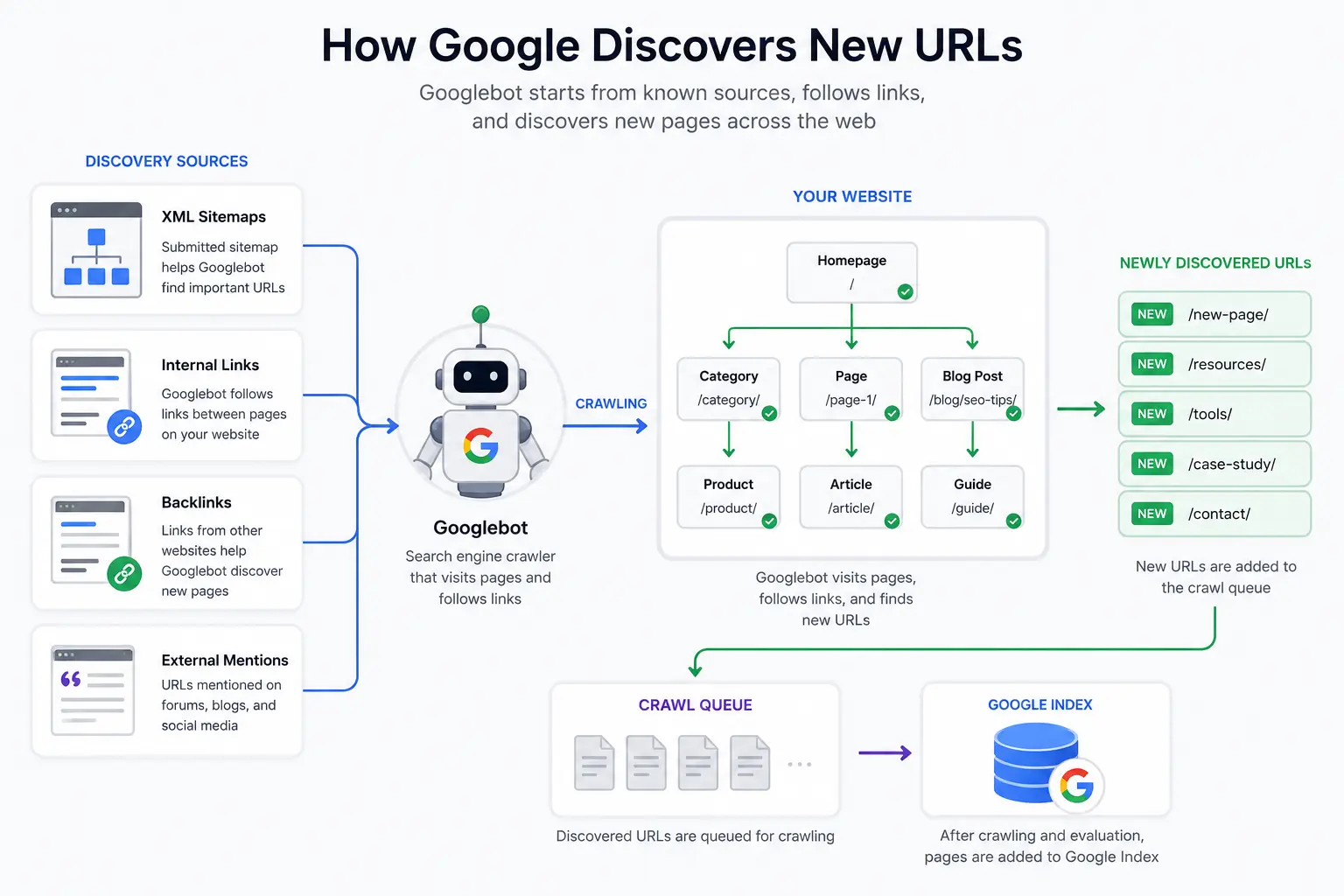
BoostIndex simplifies this process by allowing you to submit backlink URLs in bulk from a single dashboard or via API, making large indexing campaigns easier to manage.
Why Backlink Discovery Is Important
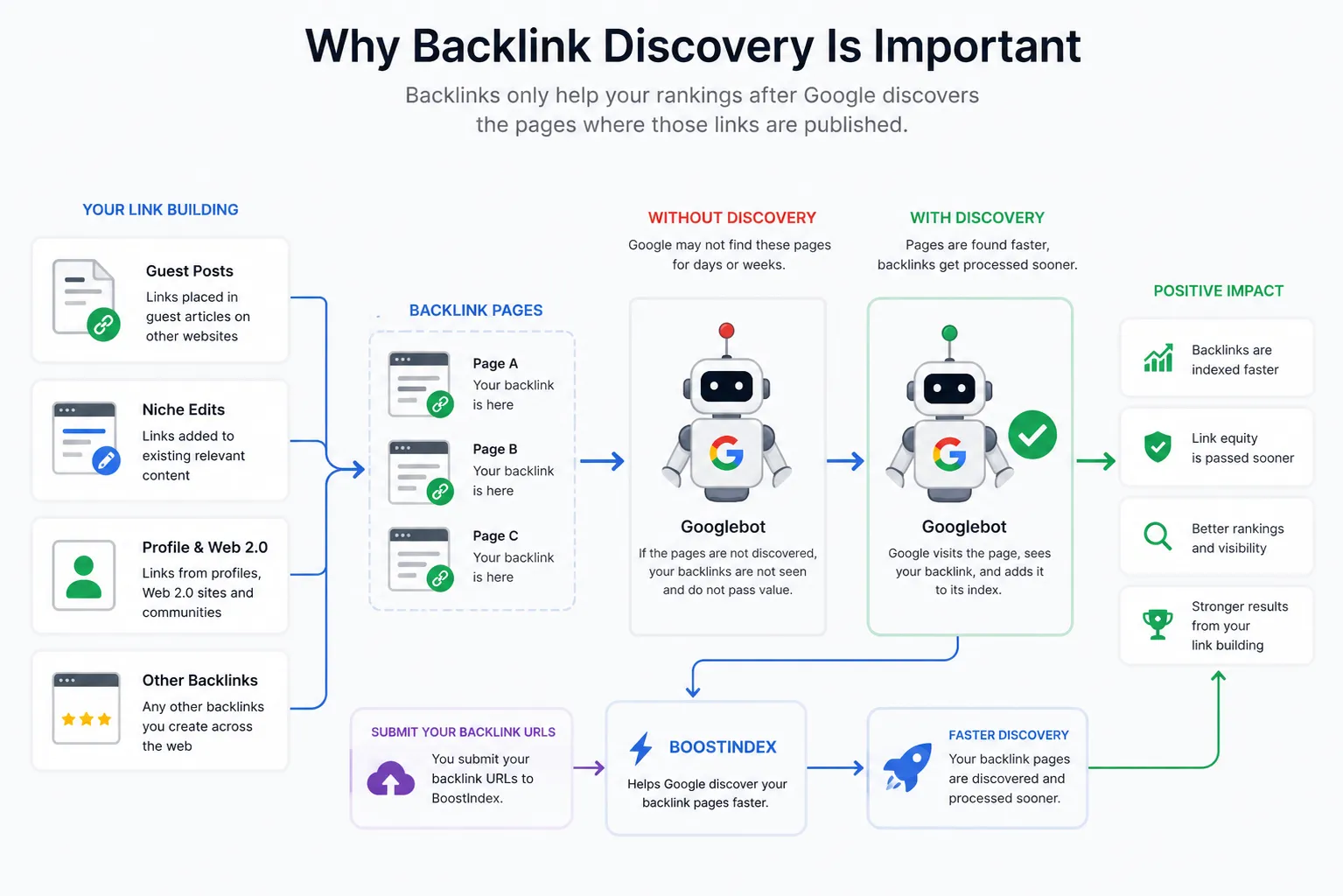
Search engines can only evaluate backlinks after discovering the pages where those links exist. Until Googlebot visits a page, newly placed backlinks may not contribute to your SEO efforts. This is why many professional link builders focus on helping Google discover backlink pages as early as possible.
BoostIndex allows you to submit backlink URLs in bulk, making it easier to manage large campaigns and improve URL discovery without manual work.
Professional Backlink Indexing Service
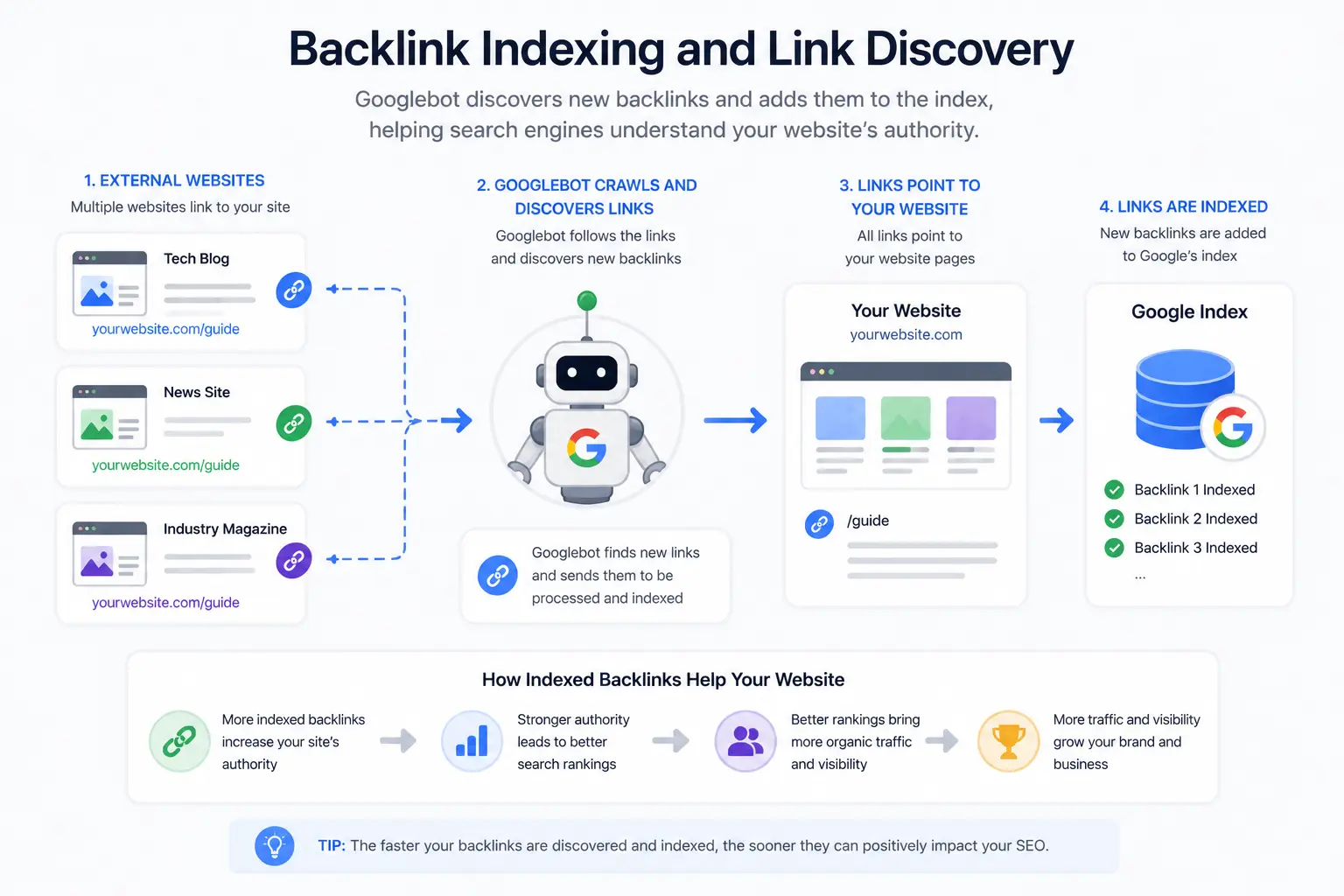
BoostIndex is a backlink indexing service built for SEO agencies, link builders and digital marketing teams that manage large numbers of backlinks. Whether you create guest posts, niche edits, Web 2.0 properties or profile links, BoostIndex helps you submit backlink URLs quickly and manage indexing campaigns from a single dashboard.
The platform supports bulk submissions, API integration, progress tracking and flexible pricing without monthly limits. Whether you need to process hundreds or thousands of backlink URLs, BoostIndex provides a simple workflow for managing link discovery at scale.
Affiliate Program
Our affiliate program offers an enticing opportunity for individuals seeking to boost their income by promoting quality products. With limitless earning potential and a committed team of experts ready to provide unwavering support, becoming a part of our program means embarking on a journey toward financial success. Whether you're new to the world of affiliate marketing or looking to enhance your strategy, our program caters to all levels of experience. By joining our ranks, you not only earn attractive commissions but also contribute to our mutual growth story. Your success as an affiliate directly fuels our collective achievement.